Japanese Encephalitis Specialist Doctor in Mumbai
Japanese encephalitis virus ( JEV ), transmitted by mosquitoes, is the most important cause of
viral encephalitis in Asia based on its frequency and severity. Humans are incidental and dead
end hosts in the JEV transmission cycle. The major vectors of JEV are mosquitoes of the Culex
vishnui subgroup. Pigs and wading birds, such as herons and egrets, are the most important
hosts for maintenance and amplification of JEV.
After an incubation period of 5 to 15 days, initial symptoms are usually nonspecific and may
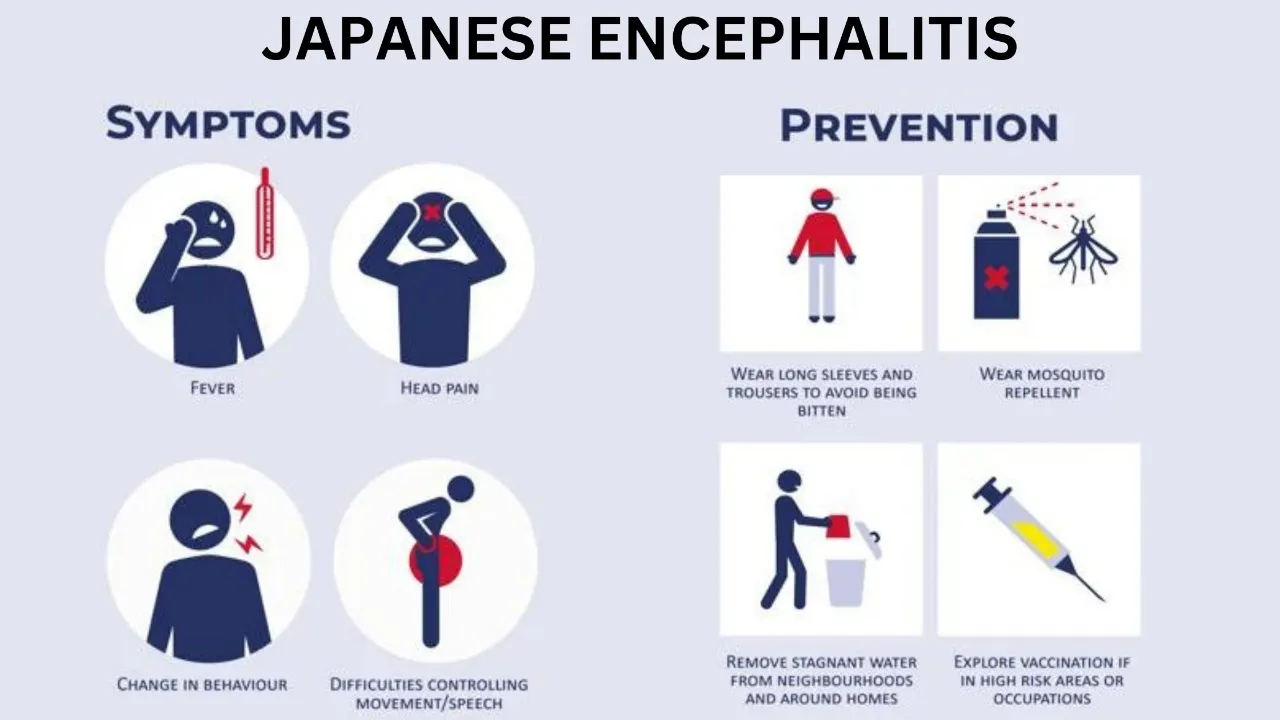
include fever, diarrhea, and rigors followed by headache, vomiting, and generalized weakness.
The most commonly recognized clinical presentation of JEV infection is acute encephalitis.
The white blood cell count is moderately elevated in most patients and there may be low
sodium. The other common laboratory features include low platelet, anemia and elevated liver
enzymes.
MRI is sensitive for detecting JEV- associated abnormalities of brain. JE is diagnosed
serologically by detection of JEV – specific immunoglobin IgM antibodies in CSF or serum.
The treatment consists of supportive care as there is no specific antiviral treatment for JE.
Personal protective measures to prevent mosquito bites are important to reduce the risk of JE.
In addition, JE vaccine provides substantial additional protection and is available in India
Keywords