Hepatitis B Treatment in Mumbai
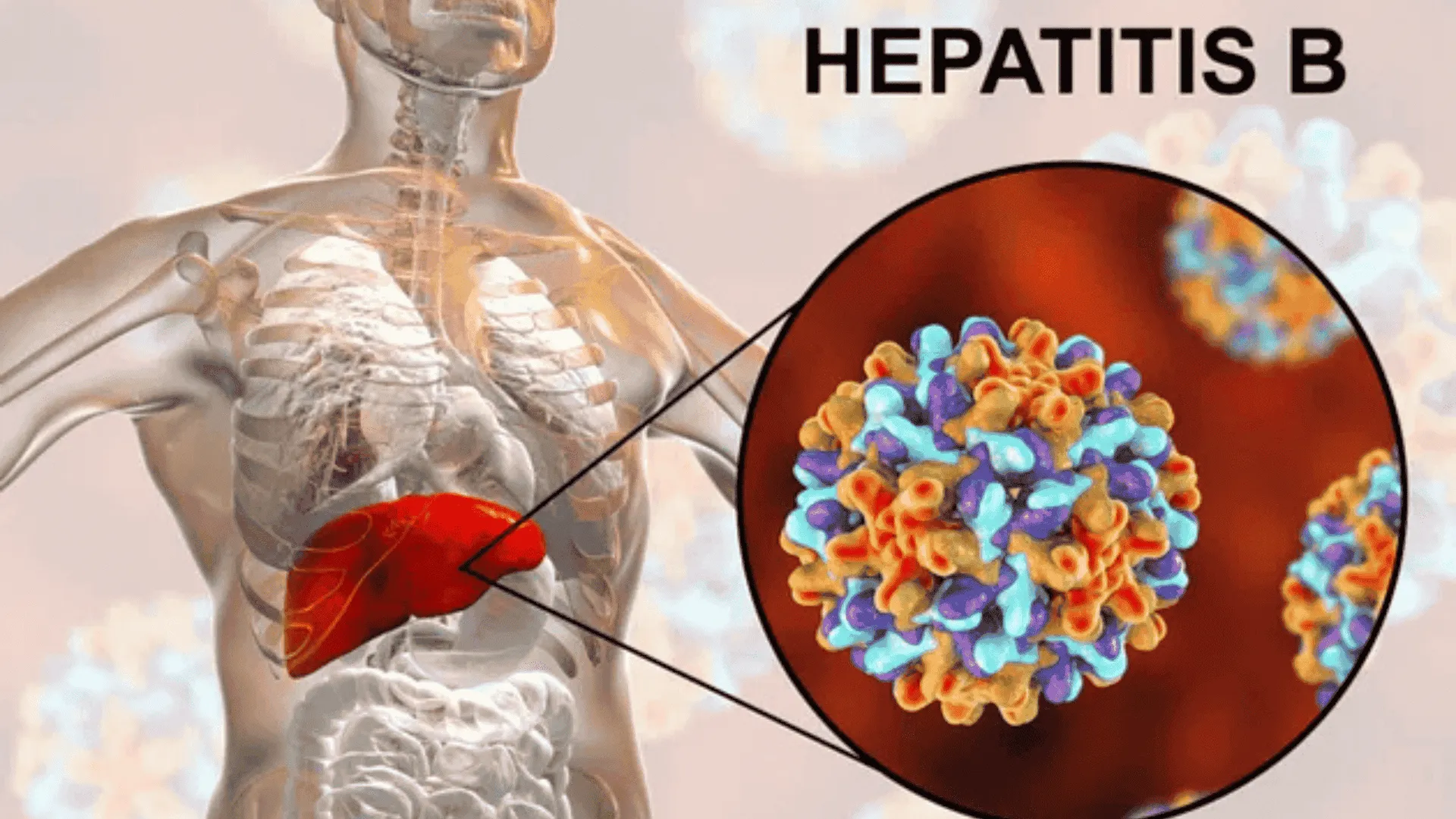
Hepatitis B is a viral infection that affects the liver
and can lead to serious health complications if
left untreated. It is caused by the hepatitis B virus
(HBV) and is transmitted through contact with
infected blood or other body fluids. The World
Health Organization (WHO) estimates that over
257 million people worldwide are living with
chronic hepatitis B infection. In this blog post, we
will delve into the diagnosis, treatment, and
prevention of hepatitis B.
Diagnosis of Hepatitis B:
Diagnosing hepatitis B begins with a thorough
medical history and physical examination by a
healthcare provider. However, the definitive
diagnosis of hepatitis B is made through blood
tests that detect specific markers of the virus.
The most commonly used test for diagnosing
hepatitis B is the hepatitis B surface antigen
(HBsAg) test. A positive HBsAg result indicates
acute or chronic hepatitis B infection. Other
blood tests that may be performed include
hepatitis B core antibody (anti-HBc), hepatitis B
surface antibody (anti-HBs), and hepatitis B e
antigen (HBeAg) tests.
In addition to blood tests, liver function tests are
also conducted to evaluate the liver’s health and
function. These tests measure levels of enzymes
and proteins produced by the liver and help
identify liver damage or inflammation. Imaging
tests such as ultrasound, CT scans, or MRI scans
may be ordered to assess the liver’s condition
and detect any potential complications, such as
liver cirrhosis or liver cancer.
Treatment of Hepatitis B:
The treatment of hepatitis B aims to reduce the
viral load in the body, prevent liver damage, and
improve overall liver health. The choice of
treatment depends on various factors, including
the stage of the infection, the level of liver
damage, and the individual's overall health
condition. Treatment options for hepatitis B
include antiviral medications, interferon therapy,
and in some cases, liver transplantation.
Antiviral medications are the cornerstone of
hepatitis B treatment. These medications, such
as tenofovir and entecavir, work by inhibiting viral
replication and reducing the viral load in the
blood. Interferon therapy is another treatment
option for hepatitis B, particularly in cases of
chronic infection. Interferon helps boost the
immune response against the virus and can lead
to viral clearance. However, interferon therapy is
associated with more side effects and is
generally reserved for certain patient
populations.
In cases of advanced liver disease or liver failure,
a liver transplant may be considered. During a
liver transplant, the damaged liver is replaced
with a healthy donor liver, which can help
improve liver function and overall health. Liver
transplantation is typically reserved for
individuals with severe liver damage or
complications of hepatitis B.
Prevention of Hepatitis B:
Prevention is key in reducing the spread of
hepatitis B and preventing new infections. The
most effective method of prevention is
vaccination. The hepatitis B vaccine is safe,
highly effective, and is recommended for all
infants, children, and adults at risk of exposure to
the virus. The vaccine is typically administered in
a series of three to four doses over several
months and provides long-lasting immunity
against hepatitis B.
In addition to vaccination, practicing good
hygiene and adopting healthy lifestyle habits can
help prevent the spread of hepatitis B. Avoiding
sharing needles, razors, or other personal items
that may come into contact with infected blood is
crucial in preventing transmission of the virus.
Practicing safe sex, using condoms, and limiting
the number of sexual partners can also reduce
the risk of contracting hepatitis B through sexual
transmission.
Regular screening for hepatitis B is important,
especially for individuals at high risk of infection,
such as healthcare workers, people living with
someone infected with hepatitis B, and
individuals with multiple sexual partners. Early
detection of the virus can lead to prompt
treatment and better outcomes. Additionally,
education and awareness about hepatitis B
transmission and prevention are essential in
reducing the stigma associated with the infection
and promoting early diagnosis and treatment.
In conclusion, hepatitis B is a serious viral
infection that can have significant health
consequences if not properly diagnosed, treated,
and prevented. By understanding the importance
of early diagnosis, seeking appropriate medical
care, and adopting preventive measures,
individuals can reduce the risk of liver
complications and lead healthier lives.
Remember, prevention is the best defense
against hepatitis B, and vaccination is a crucial
step in protecting yourself and others from this
potentially life-threatening infection. Stay
informed, get tested, and take proactive steps to
safeguard your liver health and well-being.
Keywords