Hand foot and mouth disease infection specialist Doctor In Mumbai
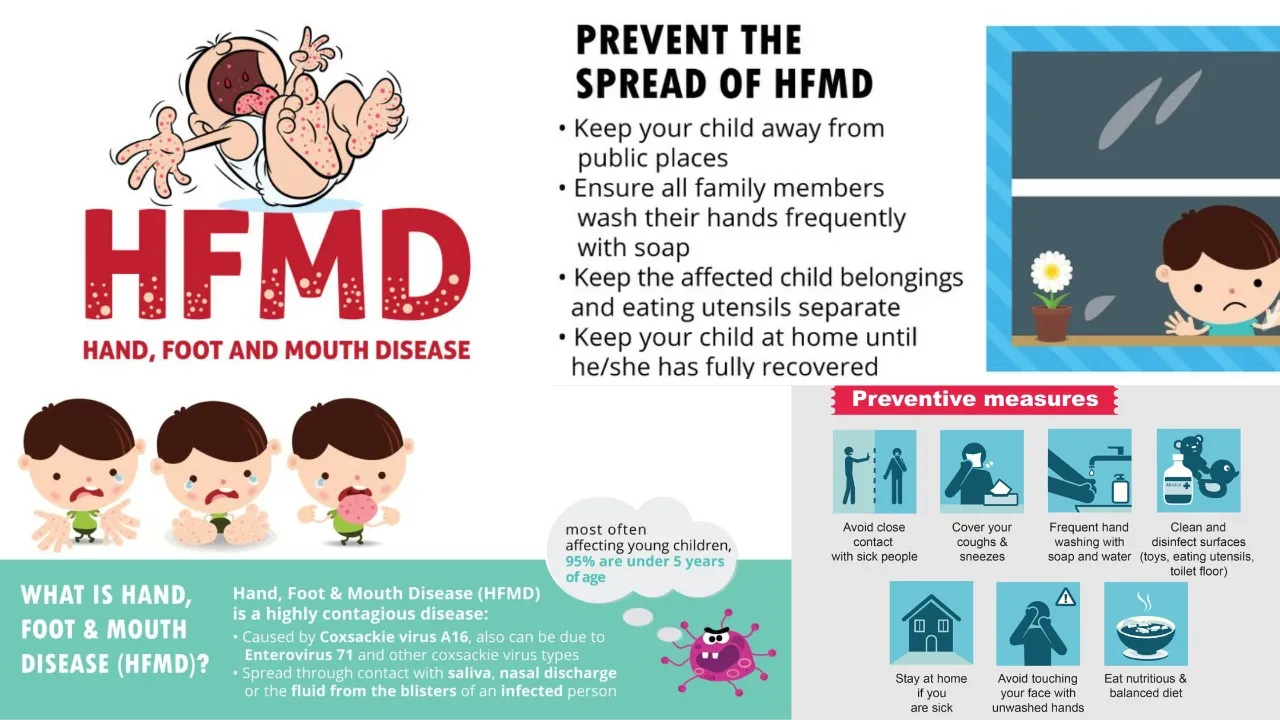
Hand, foot, and mouth disease ( HFMD ) is one of the most recognizable viral infections in
children and adults. It is most commonly caused by coxsackieviruses and echoviruses. The
infection occurs after oral ingestion of virus that is shed from the gastrointestinal or upper
respiratory tract of infected individuals. However, they also can be transmitted by contact
with oral and respiratory secretions. Most cases occur in infants and children, particularly
those younger than five to seven years. It usually occurs during the summer and early
autumn. In tropical areas, cases of HFMD occur during the rainy season. The incubation
period is typically three to five days. HFMD typically presents with complaints of mouth or
throat pain or refusal to eat. Fever may not always be present. The lesions including small
ulcers can be seen on the tongue or the oral mucosa. The skin lesions of HFMD are
nonpruritic. The rash typically involves the hands, feet, buttocks, legs and arms. HFMD
generally is a mild clinical syndrome. The complete resolution of symptoms typically occurs
within 7 to, at most, 10 days. However, complications may occur. Hence it is very important
to take guidance from a specialist at the earliest. The confirmation of a specific viral etiology
is seldom necessary. Management is mainly supportive. Children with complications may
require hospitalization. No specific antiviral therapy is required for treatment. The hand
hygiene is important in the prevention of community acquired HFMD.
Keywords