
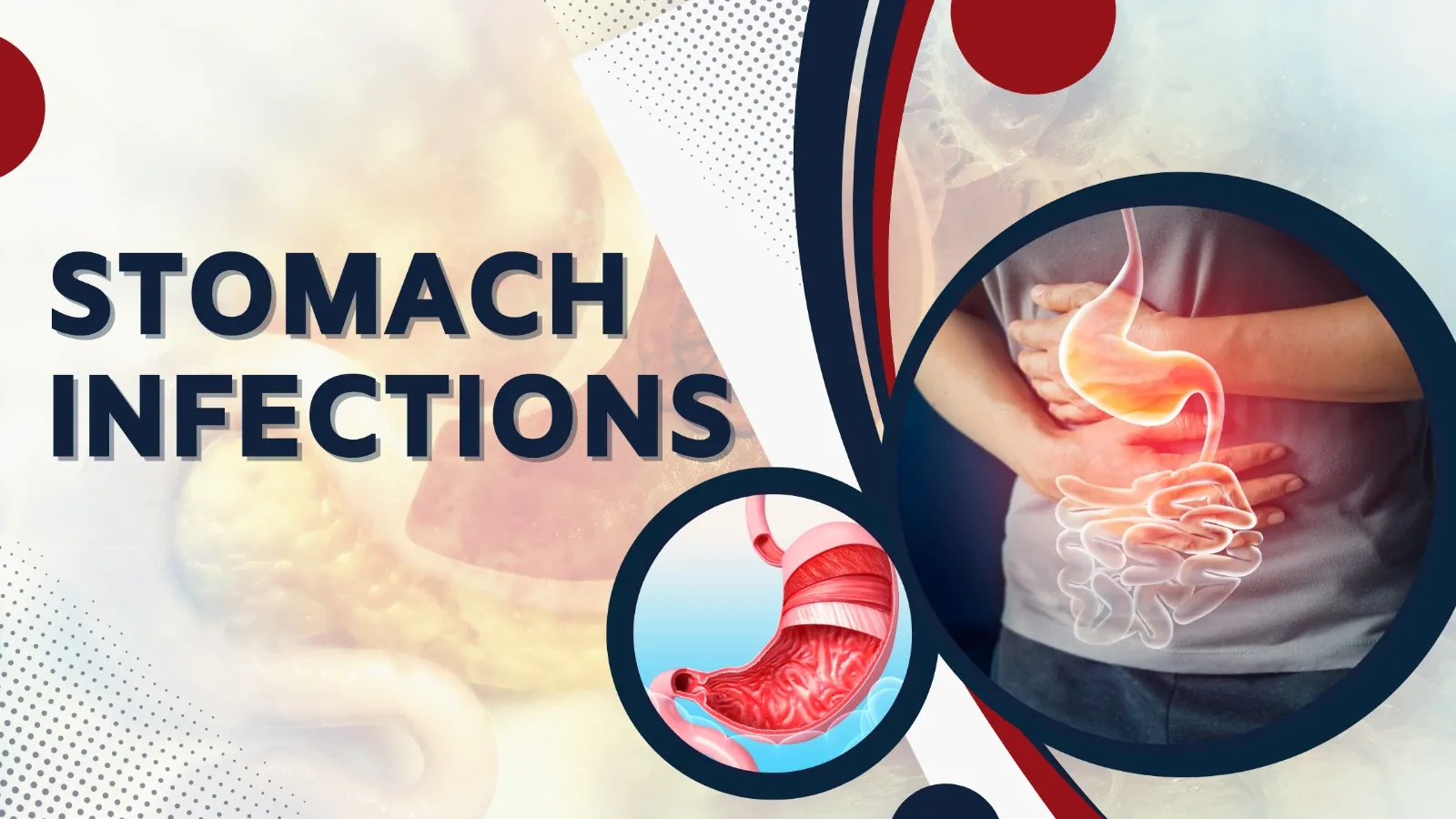
Doctors For Stomach Infection in Mumbai
Stomach Infections, also known as gastroenteritis, are caused by ingesting harmful bacteria,
viruses, or parasites. The most common symptoms include nausea, vomiting, diarrhea,
abdominal pain and cramps. These infections are highly contagious and can easily spread
through contaminated food or water, or by direct contact with an infected person.
Stomach infections can lead to dehydration if not properly managed. Treatment for
stomach infections involves resting, staying hydrated, and avoiding certain foods that may
exacerbate symptoms. In some cases, antibiotics may be prescribed for bacterial stomach
infections, but they are usually not effective against viral or parasitic infections.
Prevention is key in avoiding stomach infections. Some of the effective preventive measures
include:
1. Regularly and properly washing hands with soap and clean water, especially before eating
or preparing food.
2. Make sure to handle and prepare food in a clean and sanitary environment.
3. Consume water that has been treated or obtained from a safe source. If the safety is
uncertain, it is advisable to use a water purifier or boil the water before drinking it.
4. Avoid close contact with individuals who have symptoms such as vomiting or diarrhea.
5. Cook meats, seafood, and eggs thoroughly to kill any potential harmful bacteria.
6. Regularly clean and disinfect kitchen surfaces, utensils, and cutting boards to prevent
cross contamination of bacteria from raw to cooked foods.
7. Avoid unhygienic street foods and only eat at reputable establishments.
8. Don’t self-medicate with over the counter medications. Kindly obtain professional
guidance from a specialist at the onset of symptoms itself. Avoid misuse of antibiotics.
Keywords