Doctor For Meningitis In Mumbai
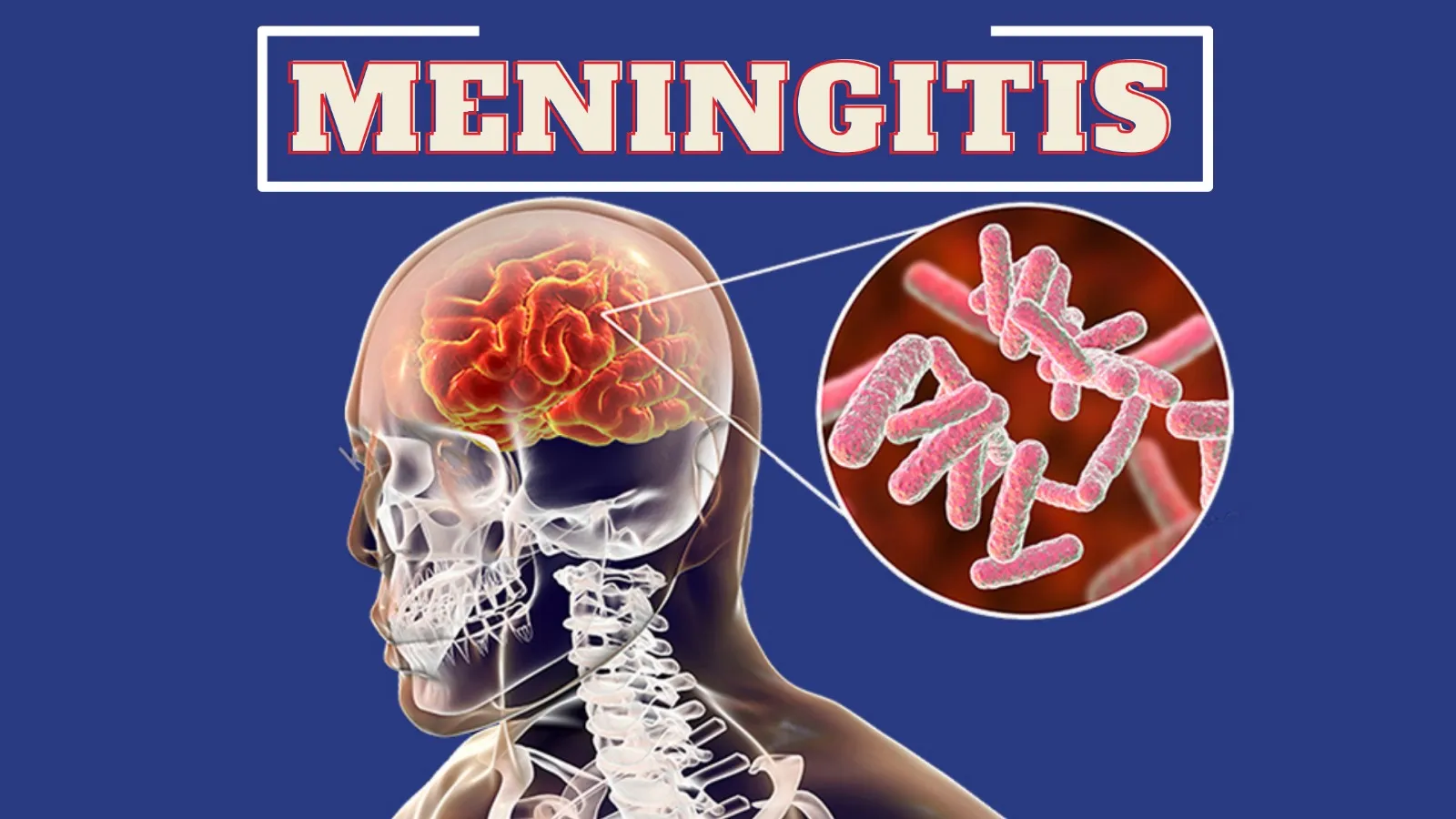
Meningitis is an inflammatory disease of the leptomeninges, the tissues surrounding the
brain and spinal cord. The major causes of community – acquired bacterial meningitis in
adults are Streptococcus pneumoniae, Neisseria meningitidis, and in those who are over 50
years of age, Listeria monocytogenes.
The most common clinical features include a severe headache, fever, seizures, paralysis and
altered sensorium. Every patient with suspected meningitis should have a CSF obtained
after a procedure, called Lumbar Puncture (LP). Some form of neuroimaging maybe
required. Isolation of a bacterial pathogen from the CSF confirms the diagnosis. There
maybe growth of bacteria in the blood as well.
Bacterial meningitis is a medical emergency. The most important initial management issues
are avoiding a delay in administering antimicrobial therapy and choosing an effective drug
regimen. The mortality rate of untreated disease approaches 100 percent and, even with
optimal therapy, there can be a high failure rate. The specialist doctor should be
approached at the earliest onset of symptoms and suspicion.
Keywords