
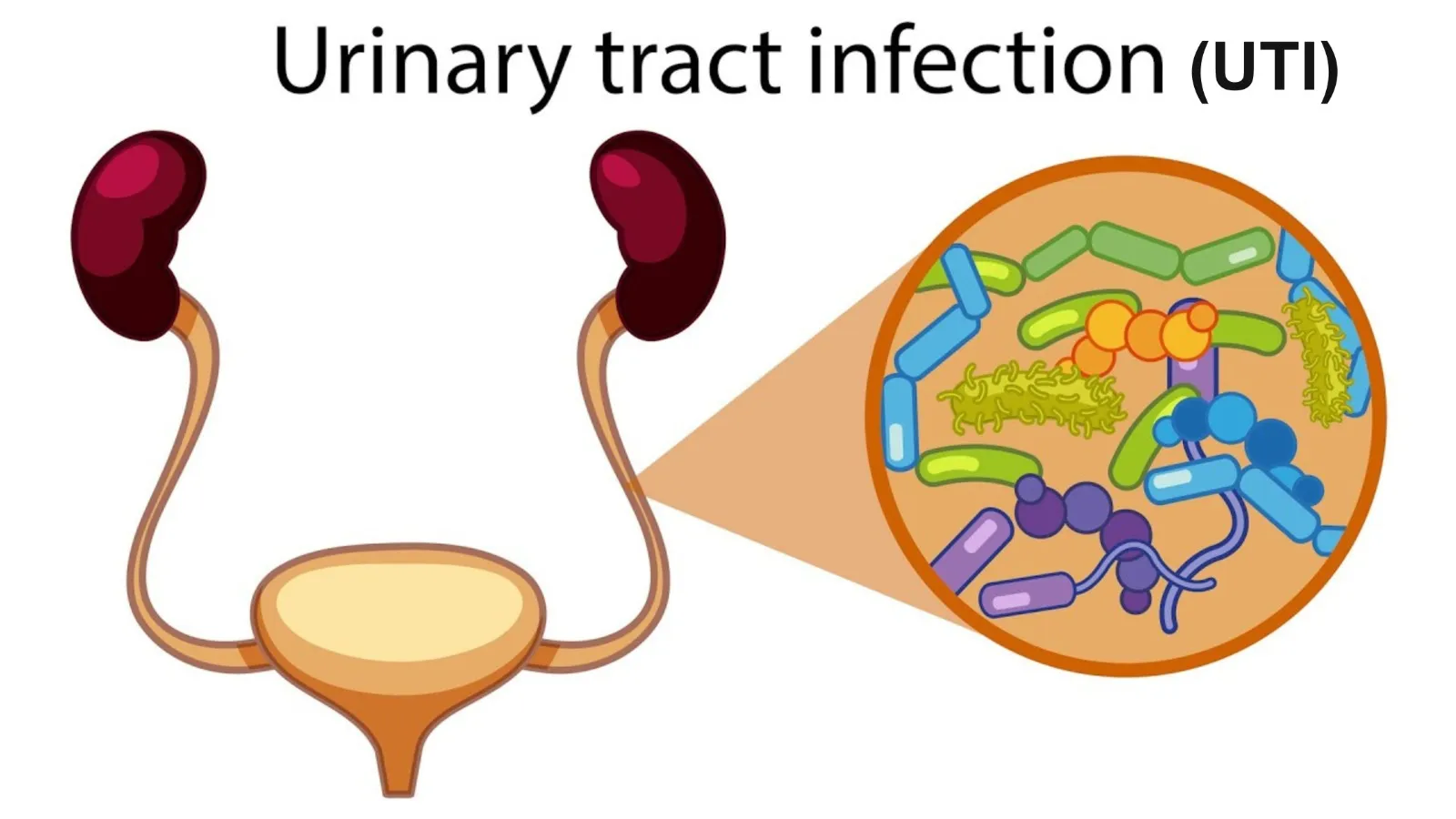
Best Doctor For Urinary Tract Infection Treatment In Mumbai
The term acute complicated urinary tract infection (UTI) refers to UTI with features such as
fever with chills or rigors, altered mental status or flank pain. Relevant uropathogens
include primarily Escherichia coli and other gram negative bacilli. Risk factors for resistant
organisms include recent broad – spectrum antimicrobial use, hospital admission and any
urologic procedures.
Acute complicated UTI should be suspected in patients with dysuria, urinary frequency or
urgency, or suprapubic pain who also have fever, chills, flank pain, or otherwise appear
clinically ill. In men pelvic or perineal pain accompanying urinary symptoms suggests
prostatitis.
For patients with suspected acute complicated UTI, we send urine for both urinalysis and
culture. Imaging is generally reserved for those who are severely ill, have suspected urinary
tract obstruction, have persistent symptoms despite 48 to 72 hours of appropriate
antimicrobial therapy, or have recurrent symptoms. The diagnosis of acute complicated UTI
is made in patients who have consistent clinical findings as well as pus and bacteria in urine.
The specialist doctors should be approached at the earliest onset of symptoms and the
appropriate investigations advised, should be done.
Keywords


