Best Doctor for Malaria Treatment in Mumbai
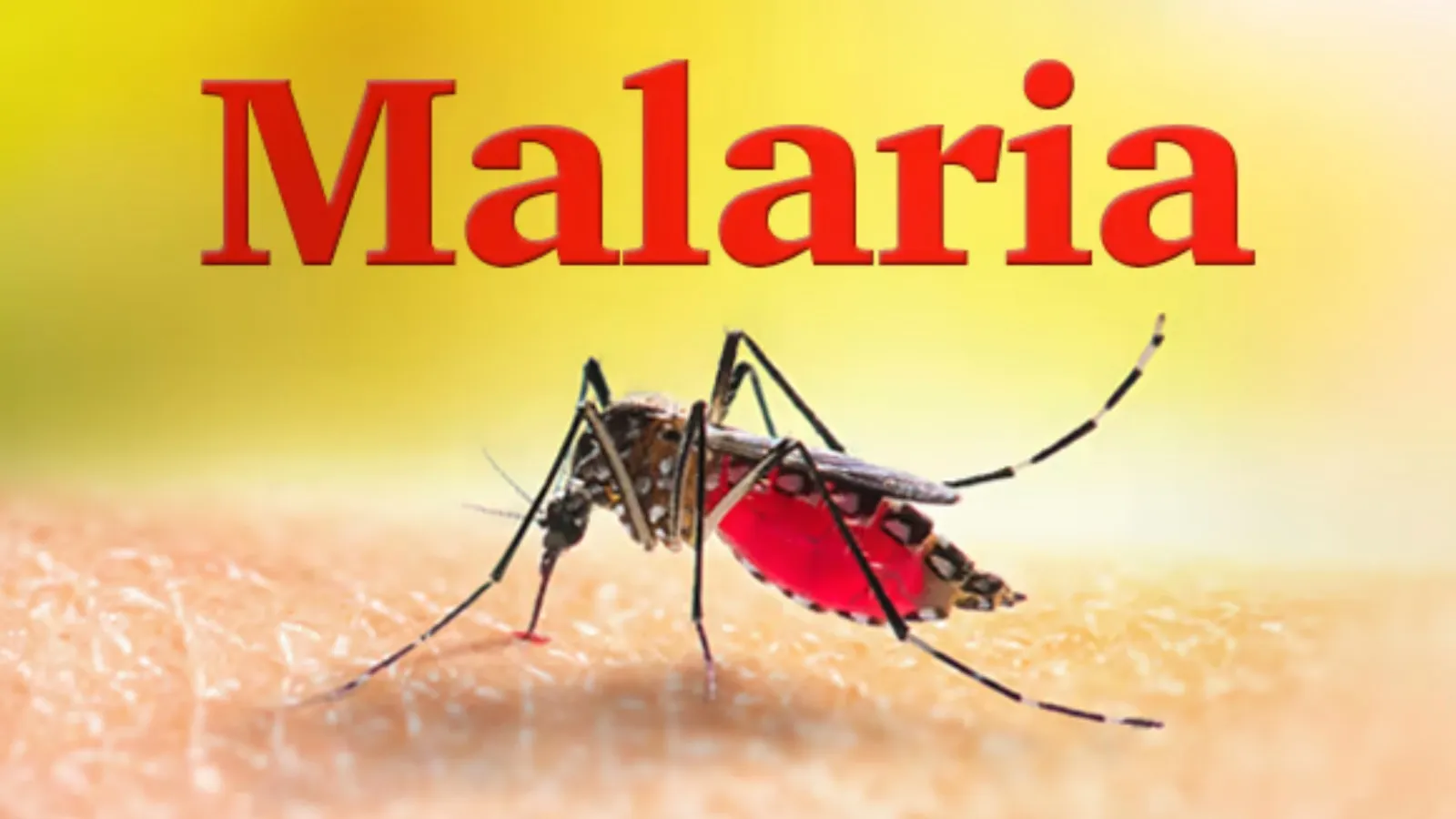
The malaria parasite is transmitted via the bite of a female Anopheles spp mosquito, which
occurs mainly between dusk and dawn. Malaria occurs throughout most of the tropical
regions of the world, with P. falciparum causing the largest burden of disease, followed by
Plasmodium vivax.
The principal determinants of the epidemiology of malaria are the number ( density ), the
human – biting habits ( indoors or outdoors ), and the longevity of the female anopheline
vectors.
The initial symptoms of malaria are nonspecific and may also include fever, chills, malaise,
fatigue, headache, nausea, vomiting, cough, loss of appetite, abdominal pain, diarrhea, joint
and muscle pain. Laboratory evaluation may demonstrate parasites in blood, low
hemoglobin, low platelet count along with deranged liver and kidney function tests. Severe
malaria includes clinical manifestations like seizures, altered consciousness, severe anemia,
low blood sugar, respiratory distress, bleeding disorders, kidney and liver failure. Those that
are at the greatest risk for severe disease include persons with low immunity, children 6
months to 59 months of age, and pregnant individuals.
Prompt and accurate diagnosis of malaria is critical for implementation of appropriate
treatment to reduce associated morbidity and mortality. Hence a specialist should be
consulted at the earliest. Tools for diagnosis include microscopy and rapid diagnostic tests.
Smear examination via light microscopy is the standard tool for diagnosis of malaria.
The treatment should always be under the supervision of a specialist. The treatment
generally includes therapy with artemisinin combination therapy ( ACT ). Recurrent infection
can result from treatment failure or reinfection.
Tools for human protection from malaria infection include protection from mosquito bites,
chemoprevention and vaccination. Repellants applied to exposed skin may be used to
protect against mosquito bites. Use of long lasting insecticide treated nets is an important
tool for malaria control. A successful malaria vaccine has the potential to reduce the global
disease burden, still not available in our country. Indoor residual spraying involves spraying
insecticide on indoor residential walls and ceilings. Tools for vector control include larval
control and genetic control.
Keywords