Best Doctor For Allergy Treatment In Mumbai
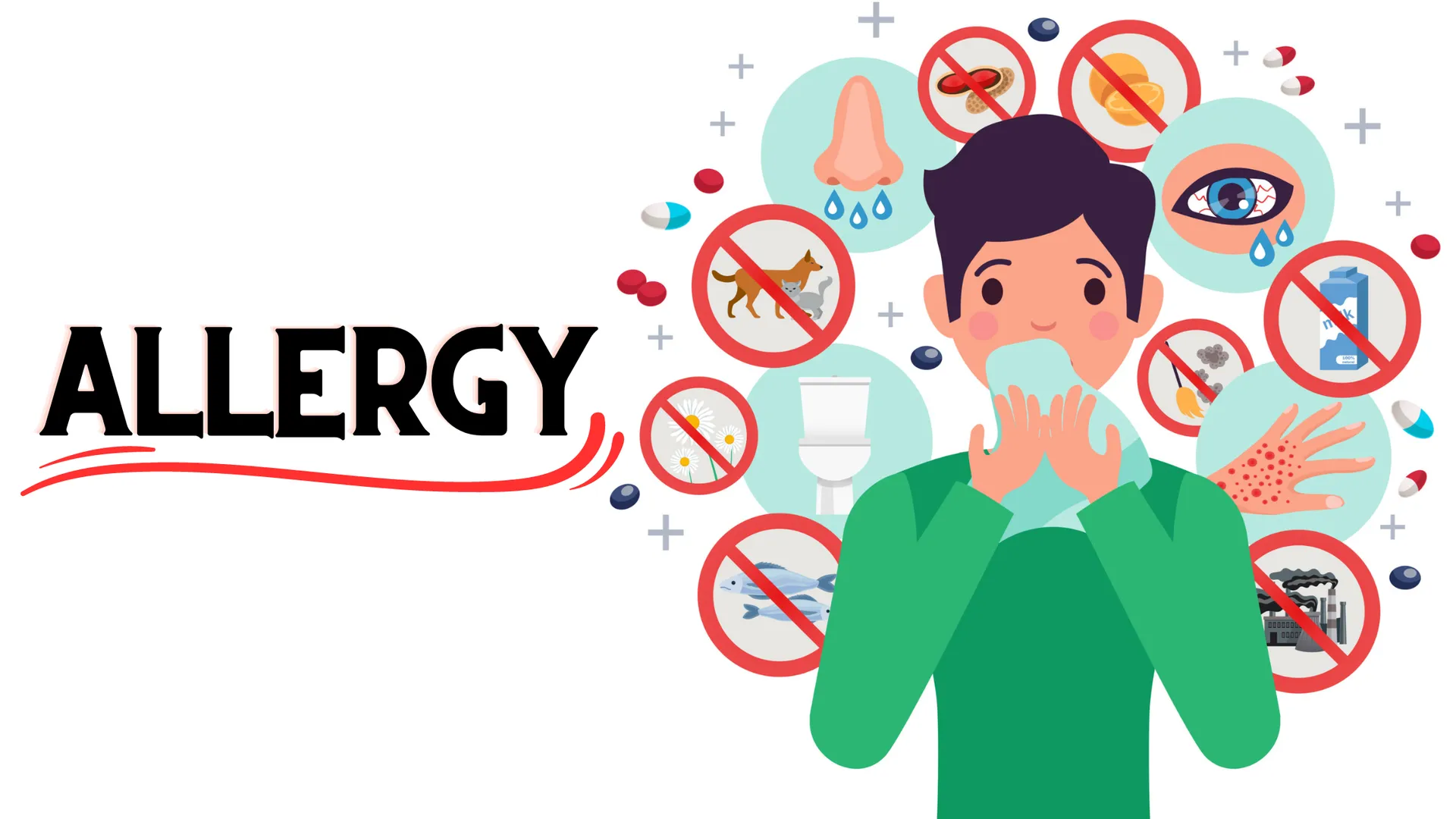
Allergic rhinitis, or allergic rhinosinusitis, is characterized by paroxysms of sneezing,
rhinorrhea, and nasal obstruction, often accompanied by itching of the eyes, nose, and
palate. Post nasal drip, cough, irritability, and fatigue are the other common symptoms.
Allergic rhinitis may be classified as intermittent or persistent and it may be mild or
moderate – severe. It is associated with significant morbidity and expense. Seasonal allergy
rhinitis is usually caused by pollen from trees, grasses, and weeds. Perennial rhinitis usually
reflects allergy to indoor allergens like dust mites, cockroaches, mold spores or animal
dander.
The following are proposed or identified risk factors for allergic rhinitis : family history, male
sex, birth during pollen season, firstborn status, early use of antibiotics, maternal smoking
exposure in the first year of life, exposure to indoor allergens, such as dust mite antigen,
serum IgE more than 100 IU/ml before age 6, presence of allergen specific IgE.
Young children typically do not blow their noses, and instead, they may repeatedly snort,
sniff, cough, and clear their throats. Sleep disturbed breathing is one of the most important
sequelae of untreated allergic rhinitis patients. Fatigue and generalized malaise are
common.
Routine laboratories are usually normal. Neither peripheral eosinophil counts nor total
serum immunoglobulin levels (IgE) are sensitive enough to help diagnose allergic rhinitis. Up
to 50 percent of patients with asthma have allergic rhinitis.
The glucocorticoid nasal sprays are the most effective pharmacologic therapy for allergic
rhinitis. The management of an individual suffering from allergic rhinitis should always be
under the supervision of a specialist.
Keywords